The Ford Escape operates within a controlled engine temperature range designed to balance efficiency, emissions control, and component durability. The cooling system, thermostat calibration, and electronic control modules regulate this operating temperature under normal driving conditions.

Ford Escape Engine Temperature Overview
Internal combustion engines generate heat through fuel combustion. To maintain proper operation, the engine must reach and sustain a specific temperature range.
For modern gasoline engines such as those used in the Escape, normal coolant operating temperature typically ranges between:
- Approximately 85°C to 105°C
Exact values depend on engine variant, load conditions, and thermostat calibration.
The vehicle’s cooling system maintains temperature within this range during normal operation.
Available Engine Configurations
The Escape offers multiple engine options in its current generation.
These may include:
- 1.5-litre EcoBoost three-cylinder gasoline engine
- 2.0-litre EcoBoost four-cylinder gasoline engine
- 2.5-litre hybrid powertrain
- 2.5-litre plug-in hybrid powertrain
Each configuration operates within a similar coolant temperature range, although hybrid systems may experience variable engine run times.
Thermostat Regulation
The thermostat controls coolant flow between the engine and radiator.
Operation sequence:
- When the engine is cold, the thermostat remains closed.
- Coolant circulates within the engine block.
- As temperature rises toward operating range, the thermostat opens.
- Coolant flows to the radiator for heat exchange.
Most modern thermostats begin opening around 88°C to 95°C, depending on calibration.
This controlled opening ensures the engine reaches optimal temperature efficiently.
Cooling System Components
The Escape uses a liquid-based closed-loop cooling system.
Main components include:
- Radiator
- Engine-driven or electric water pump
- Thermostat
- Coolant passages in engine block and cylinder head
- Electric cooling fans
- Coolant reservoir
- Temperature sensors
These components work together to regulate temperature during idle, city driving, and highway operation.
Normal Gauge Behaviour
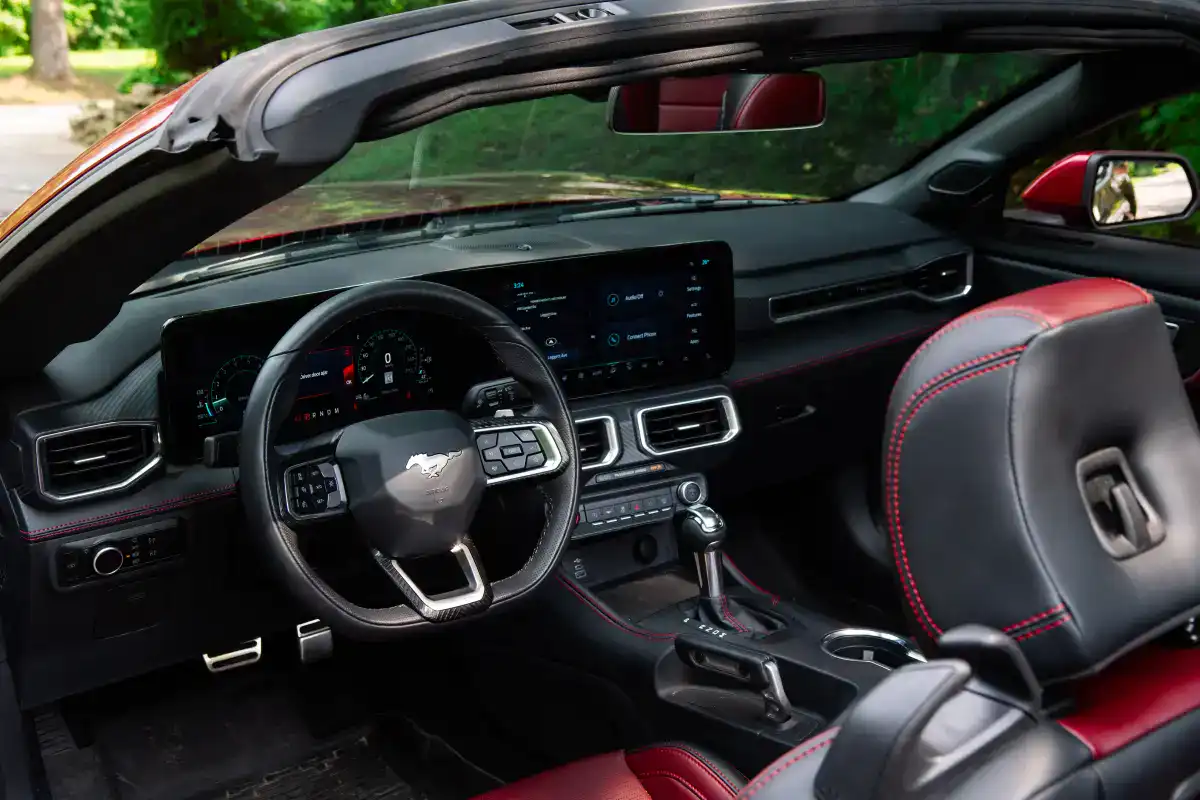
The instrument cluster displays engine temperature through a digital gauge or indicator.
During normal operation:
- Temperature rises gradually after startup
- Gauge stabilizes near the centre position
- Minor fluctuations may occur under heavy load
The gauge is calibrated to represent a range rather than a specific numeric value.
If temperature exceeds normal limits, warning messages appear.
Hybrid Engine Temperature Characteristics
Hybrid and plug-in hybrid versions of the Escape operate differently from conventional gasoline models.
In hybrid configurations:
- The engine may shut off at low speeds
- Electric motor assists propulsion
- Engine restarts when required
When the engine is inactive, coolant temperature may drop slightly. Upon restart, the cooling system quickly restores operating temperature.
Hybrid systems still target the same general operating range of approximately 85°C to 105°C.
Turbocharged Engine Heat Management
The 1.5-litre and 2.0-litre EcoBoost engines use turbochargers.
Turbochargers increase intake air pressure and generate additional heat.
Cooling support includes:
- Coolant passages within turbo housing
- Engine oil cooling integration
- Electronic fan control
These measures help maintain stable engine temperature under increased load.
Cooling Fan Operation
Electric cooling fans activate based on temperature sensor input.
Fans operate when:
- Coolant temperature approaches upper threshold
- Air conditioning increases heat load
- Vehicle speed does not provide sufficient airflow
Fan speed adjusts automatically through electronic control.
This ensures coolant temperature remains within the normal operating range.
Engine Oil Temperature
In addition to coolant temperature, engine oil temperature plays a role in overall operation.
Oil temperature typically stabilizes slightly below or near coolant temperature under normal driving conditions.
Oil lubrication performance improves once operating temperature is reached.
High engine load may temporarily increase oil temperature, but the cooling system helps maintain thermal balance.
Cold Start Temperature Phase
After startup, the engine operates at a lower-than-normal temperature.
During this phase:
- Fuel mixture enriches briefly
- Idle speed remains elevated
- Thermostat remains closed
Once coolant reaches approximately 85°C to 95°C, the system enters normal operation.
Cold weather may extend warm-up time.
High Load and Towing Conditions
Under heavy load, such as:
- Highway acceleration
- Climbing steep grades
- Trailer towing
Coolant temperature may approach the upper end of the normal range.
The cooling system responds by:
- Increasing fan speed
- Opening thermostat fully
- Adjusting fuel and ignition calibration
If temperature exceeds safe limits, the vehicle may issue warnings.
Overheat Protection Features
The Escape includes protection strategies to prevent engine damage.
If coolant temperature rises beyond safe limits:
- Warning indicators appear in the instrument cluster
- Engine power may reduce
- Climate control performance may adjust
In severe cases, the vehicle may enter a protective mode to limit heat generation.
Coolant Type and Pressure Control
The cooling system uses long-life coolant.
System pressure increases boiling point and prevents vapour formation.
The pressurized reservoir:
- Allows coolant expansion
- Maintains stable operating pressure
- Stores excess fluid
Pressure and the coolant mixture help maintain temperatures within the 85°C to 105°C range.
Environmental and Driving Factors
Engine temperature varies slightly based on:
- Outside air temperature
- Driving speed
- Terrain elevation
- Air conditioning use
Cold climates extend warm-up time. High ambient temperatures increase cooling demand.
Despite environmental variation, the system regulates temperature within its designed range.
Temperature Monitoring Sensors
Multiple sensors monitor temperature:
- Engine coolant temperature sensor
- Cylinder head temperature sensor (in some configurations)
- Oil temperature sensor (where equipped)
Sensor data transmits to the Engine Control Module.
This information supports:
- Fuel calibration
- Ignition timing
- Cooling fan control
- Warning activation
2026 Ford Escape Engine Operation Temperature
The Ford Escape maintains engine coolant temperature within an approximate range of 85°C to 105°C during normal operation.
Temperature control relies on:
- Thermostat calibration
- Liquid cooling system
- Electric cooling fans
- Turbocharger cooling integration
- Electronic sensor monitoring
This controlled range ensures efficient combustion, emissions compliance, and component longevity.
Questions and Answers
What is the normal engine coolant temperature range in the 2026 Escape?
- Normal coolant temperature typically ranges from 85°C to 105°C.
What component controls coolant flow to the radiator?
- The thermostat regulates coolant flow between the engine and radiator.
Do hybrid versions operate in the same temperature range?
- Yes. Hybrid configurations target a similar coolant temperature range of about 85°C to 105°C.
What happens if the engine temperature becomes too high?
- Warning indicators appear, and the vehicle may reduce engine power to protect components.
How does the system maintain temperature under heavy load?
- The system increases the cooling fan speed and uses thermostat control to keep the the temperature within the normal operating range.
Disclaimer: Content contained in this post is for informational purposes only and may include features and options from US or internacional models. Please contact the dealership for more information or to confirm vehicle, feature availability.