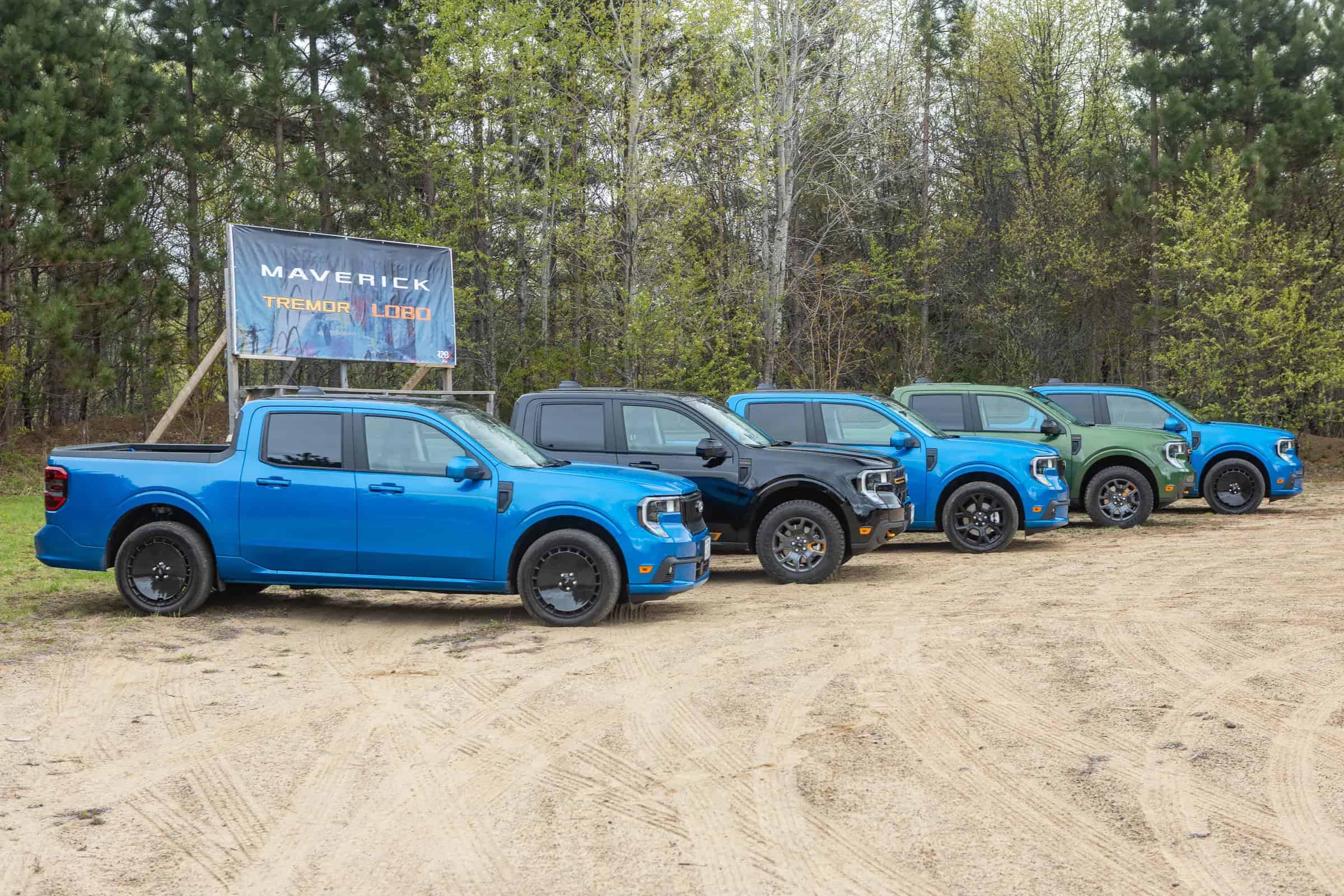
Canadian winters are tough on vehicles, and cold temperatures can impact performance differently depending on what you drive. Whether you’re behind the wheel of a gas-powered Ford, a hybrid, or an all-electric model, understanding how winter weather affects your vehicle can help you stay prepared and confident on the road.
How Cold Weather Affects Gas Vehicles
Traditional gas vehicles are generally reliable in winter, but cold temperatures can still cause challenges. Engines take longer to warm up, fuel efficiency may drop, and batteries work harder in freezing conditions. Short trips in cold weather can also prevent the engine from reaching optimal operating temperature, increasing wear over time.
Using the right engine oil, keeping the battery in good condition, and allowing a brief warm-up can help reduce winter strain.
How Cold Weather Affects Hybrid Vehicles
Hybrid vehicles combine gas and electric power, which means winter conditions can affect them in multiple ways. In cold temperatures, hybrids rely more heavily on their gas engines, especially during startup and cabin heating. This can lead to slightly reduced fuel efficiency during winter months.
The advantage is flexibility — even when electric performance is limited by cold weather, the gas engine ensures consistent reliability in harsh conditions.
How Cold Weather Affects Electric Vehicles

Cold temperatures have the biggest impact on fully electric vehicles. Battery range can decrease in winter due to energy being used to heat the cabin and maintain battery temperature. Charging times may also increase when temperatures drop.
That said, modern Ford EVs are designed with cold-weather performance in mind, featuring advanced battery management systems, regenerative braking, and available heated components that help improve winter efficiency and comfort.
Winter Driving Tips for Any Vehicle
No matter what you drive, a few winter habits can make a big difference:
- Keep your battery tested and in good condition
- Use winter tires for improved traction and control
- Park indoors when possible to reduce cold exposure
- Plan for slightly longer warm-up or charging times
Choosing the Right Vehicle for Canadian Winters
The best vehicle for winter driving depends on your lifestyle, commute, and comfort needs. Gas vehicles offer familiarity, hybrids provide flexibility, and EVs deliver efficiency with modern winter-focused technology. At Weston Ford, our team can help you explore options that suit Canadian weather and your everyday driving.
Visit Weston Ford to learn more about winter-ready vehicles and cold-weather driving confidence.