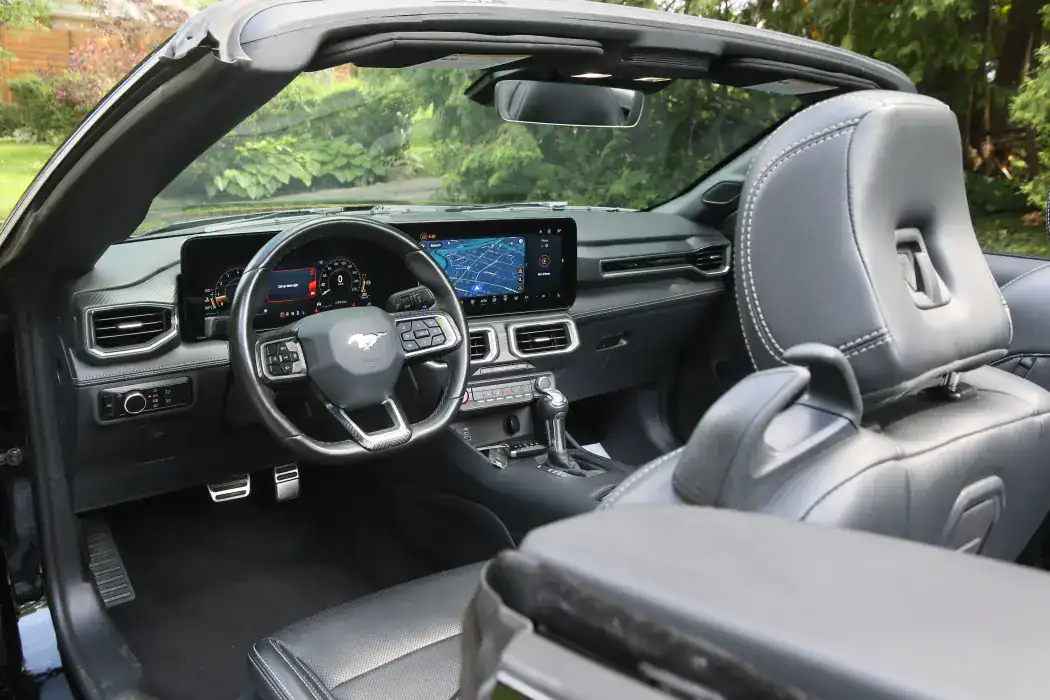
The airbag warning light in your Ford Explorer serves as a crucial safety indicator, alerting you to potential issues with your vehicle’s Supplemental Restraint System (SRS). When this light illuminates on your dashboard, it signals a fault within the airbag system that requires attention. Understanding these warning codes and knowing how to address them ensures your vehicle’s safety systems function properly when needed most.

What Your Airbag Light Is Telling You
The airbag light on your Ford Explorer dashboard communicates specific information about system malfunctions. When illuminated, it indicates that the onboard diagnostic system has detected a fault within the restraint system components.
Unlike some warning indicators that might signal minor issues, an illuminated airbag light requires immediate attention. This warning indicates that your vehicle’s airbag system may not deploy correctly in a collision, potentially compromising passenger safety.
Common Ford Explorer Airbag Diagnostic Trouble Codes
Ford Explorer models use a standardized diagnostic system that generates specific codes to identify airbag system issues. These codes provide technicians with precise information about the nature and location of faults.
B1414 – Driver Sensor 2 Fault
This code indicates an issue with the second impact sensor on the driver’s side of the vehicle. These sensors determine when airbag deployment is necessary during a collision.
Possible causes include damaged wiring connections, water infiltration into connectors, or a failed sensor unit
Often appears alongside other sensor codes, suggesting a systemic issue
May result from previous minor collisions or water damage
B1415 – Driver Sensor 3 Fault
Similar to the B1414 code, this trouble code points to a problem with the third driver-side impact sensor.
- Commonly triggered by poor electrical connections or damaged wiring
- May indicate water intrusion into sensor connectors
- Can result from improper previous repairs or modifications
B1418 – Passenger Sensor 2 Fault
This code identifies a malfunction in the passenger-side impact sensor system, specifically the second sensor.
- Often caused by connection issues between the sensor and the restraint control module
- May be triggered by damaged wiring harnesses under the passenger seat
- Can appear following interior modifications or seat removal/reinstallation
B1419 – Passenger Sensor 3 Fault
The B1419 code signals a problem with the third passenger-side impact sensor, a critical component for passenger airbag deployment.
- Frequently results from loose or corroded connections
- Water damage to connectors is a common culprit
- May be accompanied by other sensor codes suggesting broader wiring issues
Diagnostic Approaches for Airbag Light Issues
When the airbag light illuminates, a systematic diagnostic approach helps efficiently identify the underlying cause.
Retrieving the Diagnostic Trouble Codes
The first step in addressing an airbag light issue involves retrieving the specific diagnostic trouble codes (DTCs).
- Standard OBD-II scanners cannot access airbag system codes in most Explorer models
- A Ford-specific diagnostic tool or professional scan tool with SRS capabilities is required
- Multiple codes often appear simultaneously, suggesting interconnected issues
Visual Inspection of Sensor Connections
Many airbag system faults stem from connection problems that can be identified through visual inspection.
- Inspect wiring under both front seats, checking for loose or damaged connectors
- Examine seat belt buckle connections, as these are integrated with the airbag system
- Look for signs of water damage or corrosion on connector pins
How to Address Common Airbag Light Triggers
Understanding the most frequent causes of airbag light activation helps target troubleshooting efforts effectively.
Water Damage and Connector Issues
Moisture infiltration represents one of the most common culprits behind airbag system failures in Ford Explorer models.
- Water can enter connector housings, leading to corrosion and electrical shorts
- Even after drying, moisture may remain trapped within wire insulation
- Connectors may appear normal visually while harbouring internal corrosion
Seat Track Position Sensor Problems
The seat track position sensor determines seat positioning relative to the steering wheel and adjusts airbag deployment force accordingly.
- Sensor malfunctions often trigger airbag warning lights
- Magnet misalignment on the seat track can cause false readings
- Sensor failures are common in Explorer models with power seats
Seatbelt Pretensioner Issues
Seatbelt pretensioners, which tighten seatbelts during a collision, are integrated with the airbag system and can trigger warning lights when they malfunction.
- Pretensioner circuits may develop internal faults that are not visibly apparent
- Buckle switch failures can register as airbag system faults
- Damaged wiring between pretensioners and the control module requires specialized repair
Effective Steps To Solve Issues
When addressing airbag light issues, following a methodical approach increases the likelihood of successful resolution.
Battery Disconnect Reset Procedure
The simplest initial troubleshooting step is to perform a system reset.
- Disconnect the negative battery terminal for 10-15 minutes
- This allows the restraint control module to reset its memory
- After reconnection, observe whether the warning light reappears
Connection Cleaning and Protection
Addressing connection issues often resolves airbag light problems without component replacement.
- Disconnect the negative battery cable before handling any airbag system connectors
- Clean connector pins using electronic contact cleaner
- Apply dielectric grease to connections to prevent moisture infiltration
- Ensure all connections are properly seated and locked
Connector Replacement and Wire Repair
When inspections reveal damaged connectors or wiring, repairs may be necessary.
- Replace damaged connector housings rather than attempting to repair them
- Use manufacturer-specified parts for any wiring repairs
- Ensure proper terminal crimping and connection sealing
- Address any pinched or abraded wiring found during inspection
Airbag Control Module Considerations
The airbag control module serves as the brain of the restraint system, processing sensor inputs and controlling deployment.
Control Module Reset Procedures
In some cases, the airbag control module requires a professional reset procedure.
- Most module resets require specialized Ford-specific diagnostic equipment
- Following repairs, the module must be properly initialized
- Some aftermarket scan tools offer limited reset capabilities
Module Replacement Considerations
When persistent issues suggest module failure, replacement becomes necessary.
- Replacement modules typically require dealer programming
- Used modules are generally not recommended due to safety implications
- Module replacement should be followed by comprehensive system testing
Professional Diagnostic Services
While some troubleshooting can be performed by knowledgeable owners, certain situations warrant professional intervention.
When to Consult a Ford Dealer
Complex airbag system issues often require dealer-level diagnostic equipment and expertise.
- Multiple simultaneous fault codes typically indicate complex issues
- Intermittent warning light activation can be difficult to diagnose
- Airbag system repairs after collision damage require specialized knowledge
Diagnostic Service Expectations
When seeking professional diagnosis, understanding the process helps manage expectations.
- Initial diagnostic scans identify specific fault codes
- Circuit testing confirms wiring and sensor functionality
- Component testing may be necessary to pinpoint failures
- Comprehensive testing follows repairs to ensure system integrity
Safety Considerations and Best Practices
The airbag system represents a critical safety feature that demands appropriate handling and attention.
Driving with an Active Airbag Light
An illuminated airbag warning light indicates a system that may not function properly during a collision.
- The entire restraint system may be compromised, not just the airbags
- Seatbelt pretensioners may not operate correctly
- Vehicle occupants face increased risk during accidents
Airbag System Maintenance Tips
Proper maintenance helps prevent airbag system issues before they develop.
- Avoid placing liquids near electronic components under seats
- Protect seat wiring when moving seats forward and backward
- When cleaning the interior, prevent excessive moisture around seat bases
- Address airbag warning lights promptly rather than delaying repairs
Stay Safe in Your Ford Explorer
The airbag system in your Ford Explorer provides crucial protection during accidents, making proper function essential for occupant safety. Understanding common fault codes and appropriate troubleshooting approaches helps ensure this vital system remains operational.
While some airbag system issues can be addressed through careful inspection and connection cleaning, others require professional diagnosis and repair. By following a systematic approach to troubleshooting and maintaining your vehicle’s restraint system, you help ensure it will perform as designed when needed most.
Remember that airbag system integrity directly impacts vehicle safety. Taking prompt action when warning lights appear demonstrates commitment to both your safety and that of your passengers.
Disclaimer: Content contained in this post is for informational purposes only and may include features and options from US or international models. Please contact the dealership for more information or to confirm vehicle, feature availability.