Bronco or Bronco Sport, Which One Fits Your Life in 2026?
The 2026 Bronco vs Bronco Sport question is one of the most common things Toronto-area Ford shoppers ask, and honestly, it makes sense. Both SUVs share a name, a rugged look, and standard 4×4. But beyond that, they’re built for completely different people. As of 2026, one rides on a body-on-frame chassis designed for serious trails, while the other uses a unibody platform tuned for daily comfort with genuine off-road confidence. Choosing between them comes down to how you actually spend your weekends and weekdays in North York, across the GTA, and beyond.
Two Platforms, Two Philosophies
The most important difference hides underneath both vehicles. It shapes everything else, ride quality, trail ability, cabin noise, and overall size.
How the 2026 Bronco Is Built
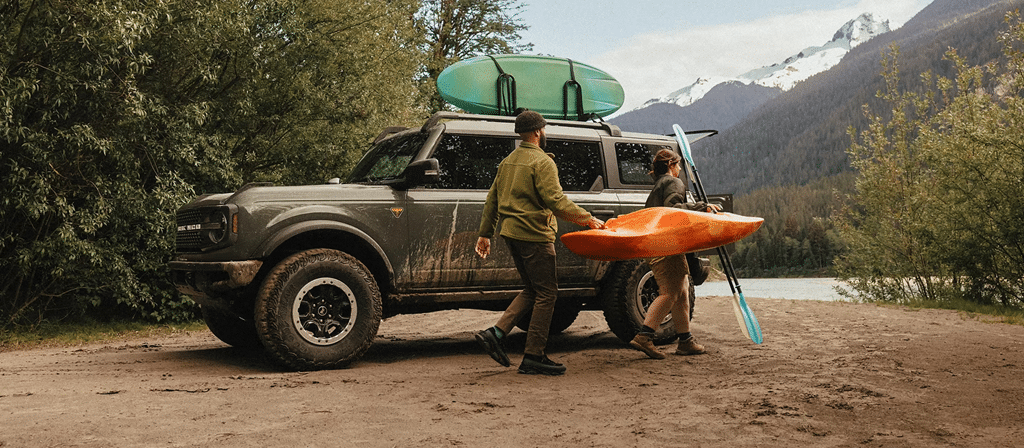
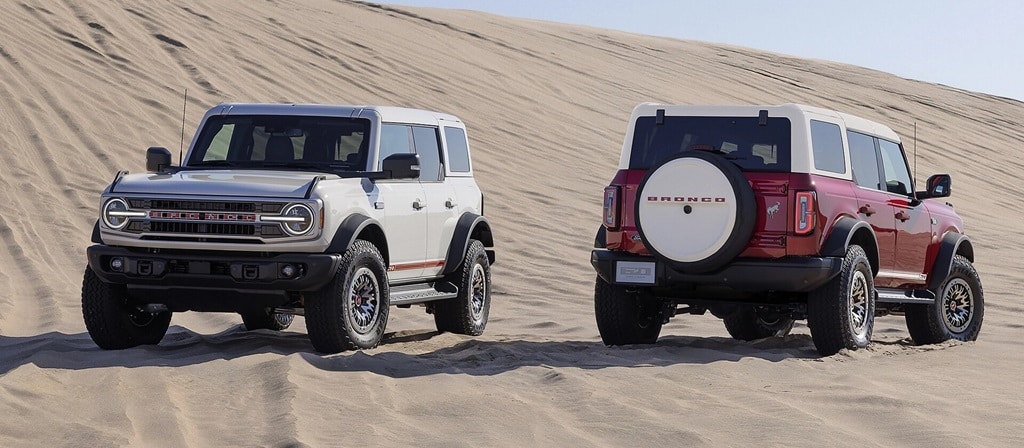
The 2026 Ford Bronco sits on a separate steel ladder frame, the same construction Ford uses for its trucks. That architecture gives the Bronco impressive wheel articulation on rocky, uneven terrain. It also means a taller ride height and a stiffer on-road feel. Buyers who prioritize highway refinement will find the Bronco Sport better suited to that need, while those who want maximum trail performance will appreciate what the body-on-frame platform delivers. If you want to understand the full suspension story, our guide to the 2026 Ford Bronco suspension and steering breaks it down in detail.
How the 2026 Bronco Sport Is Built
The 2026 Ford Bronco Sport integrates its body and frame into one structure. This keeps weight lower and the centre of gravity closer to the pavement. The result is a quieter cabin on the 401, sharper steering in city traffic, and a smoother ride over Toronto’s potholed streets. It still delivers real 4×4 capability. Just tuned for a different kind of adventure.
Size and Daily Life in North York
Size matters when you’re parking underground five days a week in North York or downtown Toronto.
Bronco Sport in the City
The Bronco Sport is a compact SUV. It slips into tight parking garages and parallel spots along Yonge Street without much fuss. For grocery runs, school drop-offs, and daily commutes, its footprint feels right. Cargo space handles weekend gear and hockey bags comfortably.
Bronco on City Streets
The full-size Bronco is wider, taller, and longer. That extra size gives you more interior room and a commanding view of traffic. But tight underground parkades and narrow side streets require more attention. If your daily routine involves crowded urban spaces, factor in the larger footprint before deciding.
2026 Bronco vs Bronco Sport Off-Road Capability
Both SUVs wear the Bronco badge for a reason. Each delivers genuine off-road confidence, at different levels of intensity.
Where the Bronco Sport Shines
The Bronco Sport comes standard with 4×4 across all four Canadian trims for the 2026 model year: Big Bend, Heritage, Outer Banks, and Badlands. The Big Bend offers five G.O.A.T. Modes (Goes Over Any Type of Terrain), while the Badlands steps up to seven G.O.A.T. Modes plus an advanced 4×4 system with a twin-clutch rear drive unit. Ground clearance on the Big Bend sits at 7.8 inches, and the Badlands adds a steel-plated front bumper and underbody protection.
In practical terms, the Bronco Sport handles cottage roads in Muskoka, gravel paths to provincial park campsites, and snow-covered Ontario trails with real composure. For a deeper look at tire specs on the Big Bend trim, see our post on 2025 Bronco Sport Big Bend tires and wheels.
Where the Bronco Excels
The full Bronco targets enthusiasts who want technical terrain, rock crawling, deep water crossings, and steep inclines that would stop most SUVs cold. Its body-on-frame platform allows greater suspension travel and wheel articulation. If your idea of a weekend involves trail maps and recovery gear, the Bronco is purpose-built for that life. Our Ford Bronco camping accessories guide is a solid starting point for outfitting it.
What Canadian Buyers Are Choosing
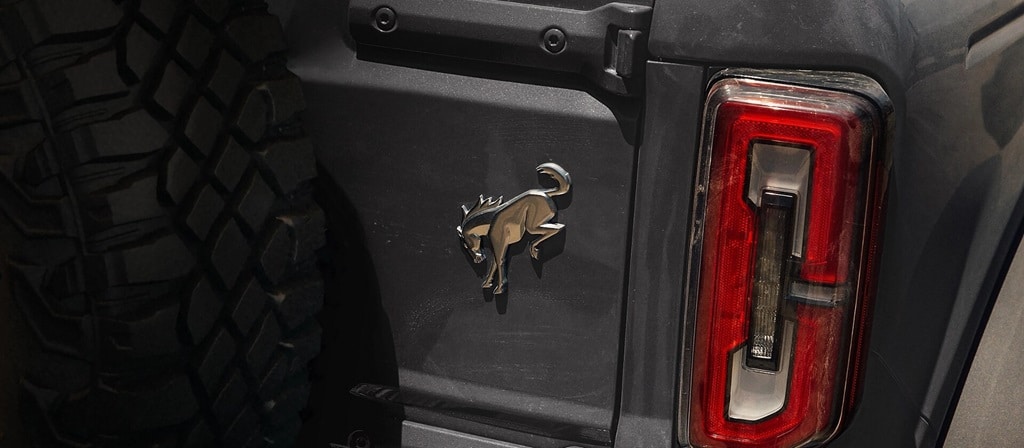
The Bronco Sport is a compact SUV with standard 4×4 across all trims, reflecting how well it fits the needs of Canadian drivers who want daily versatility with capable off-road performance.
You Are Likely a Bronco Sport Buyer If
- You commute in Toronto or the GTA daily and want a compact, easy-to-park SUV
- Weekend adventures mean cottage trips, ski hills, and campground access roads
- Fuel efficiency matters, the 1.5L EcoBoost achieves 7.8 L/100km on the highway
- You want standard 4×4 without stepping into a full-size vehicle
- A 13.2-inch centre display with wireless Apple CarPlay and Android Auto suits your tech needs
- Heated front seats and a heated steering wheel are non-negotiable for Ontario winters
You Are Likely a Bronco Buyer If
- Off-roading is a real hobby and you tackle technical trails regularly
- You want maximum ground clearance and suspension articulation
- A larger, more commanding SUV fits your lifestyle and family needs
- Highway ride firmness and cabin noise are acceptable for the trail performance you gain
- You plan to build the vehicle out with serious off-road accessories and recovery equipment
Your Next Step at Weston Ford
Both the 2026 Ford Bronco and the 2026 Ford Bronco Sport reward their buyers. The right choice depends entirely on your priorities. Visit Weston Ford in North York to see both models side by side, a test drive on city streets and back roads will make the answer clear. You can see current 2026 Bronco inventory at Weston Ford or browse the full Ford Canada Bronco Sport lineup for current Canadian specifications and available trims.
Frequently Asked Questions
Are the 2026 Bronco and Bronco Sport built on the same platform?
They’re not. The Bronco uses a body-on-frame chassis, separating the body from a steel ladder frame for serious off-road articulation. The Bronco Sport uses a unibody design that integrates the body and frame together. As a result, the Bronco Sport rides quieter on highways and handles city driving with more agility, while the Bronco prioritizes trail performance. This platform difference drives every other distinction between the two vehicles.
Which model is easier to drive in downtown Toronto?
The Bronco Sport is the easier choice here. Its compact dimensions make parallel parking, underground garages, and tight lane changes far more manageable. The full Bronco is wider and taller, so navigating narrow streets and low-clearance parkades in North York or downtown Toronto requires more awareness. For daily urban commuting across the GTA, the Bronco Sport feels noticeably more nimble.
Does the Bronco Sport have real off-road capability?
Absolutely. Every Bronco Sport trim ships with standard 4×4. The Badlands trim adds seven G.O.A.T. Modes, an advanced twin-clutch rear drive unit, and steel-plated underbody protection. For gravel cottage roads, snowy Ontario highways, and moderate trails, the Bronco Sport delivers genuine confidence. It handles the kind of terrain most Canadian drivers actually encounter.
What trims are available on the 2026 Bronco Sport in Canada?
Ford Canada offers four trims for the current model year: Big Bend, Heritage, Outer Banks, and Badlands. Each comes standard with 4×4. The Heritage features all-terrain tires with navy pier plaid cloth seats for a distinct look. The Badlands is the trail-focused choice, featuring the 2.0L EcoBoost engine and enhanced off-road hardware. For a full trim breakdown, see our 2026 Bronco trim comparison.
Why does the Bronco Sport suit most Canadian drivers?
Canadian driving conditions shape the decision for many buyers. Most drivers need a vehicle that handles winter highways, city parking, and weekend getaways rather than technical rock crawling. The Bronco Sport’s compact size suits urban life while still delivering capable 4×4 for snow and gravel, making it a practical choice that fits how most Canadians actually drive.
Can I test drive both models at the same dealership?
Yes. Weston Ford in North York carries both the Bronco and the Bronco Sport. Driving them back to back is the fastest way to feel the difference in ride quality, size, and capability. Book a visit to compare them on city streets and see which one matches your daily routine and weekend plans.
Is the Bronco Sport fuel-efficient enough for a daily commute?
The 1.5L EcoBoost engine on the Big Bend, Heritage, and Outer Banks trims achieves 7.8 L/100km on the highway. For a compact 4×4 SUV, that’s a strong result, it makes daily commuting across the GTA practical without frequent fill-ups. The Badlands uses a 2.0L EcoBoost with its advanced 4×4 system. Contact Weston Ford for specifics on that trim’s fuel consumption figures.
Disclaimer: Content contained in this post is for informational purposes only and may include features and options from US or international models. Please contact the dealership for more information or to confirm vehicle, feature availability.