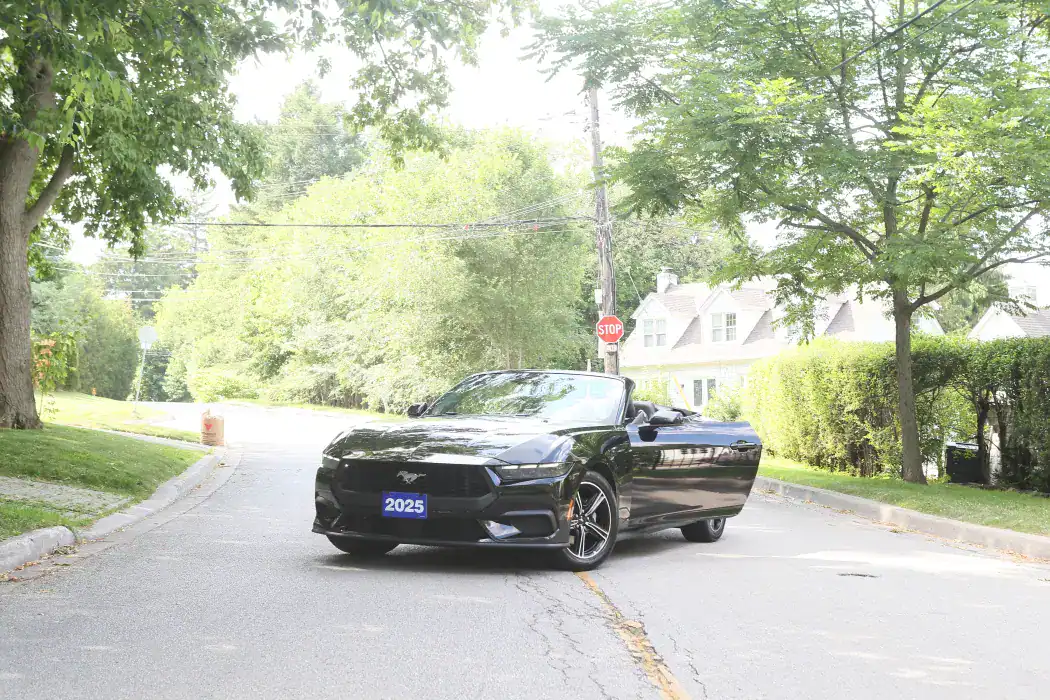
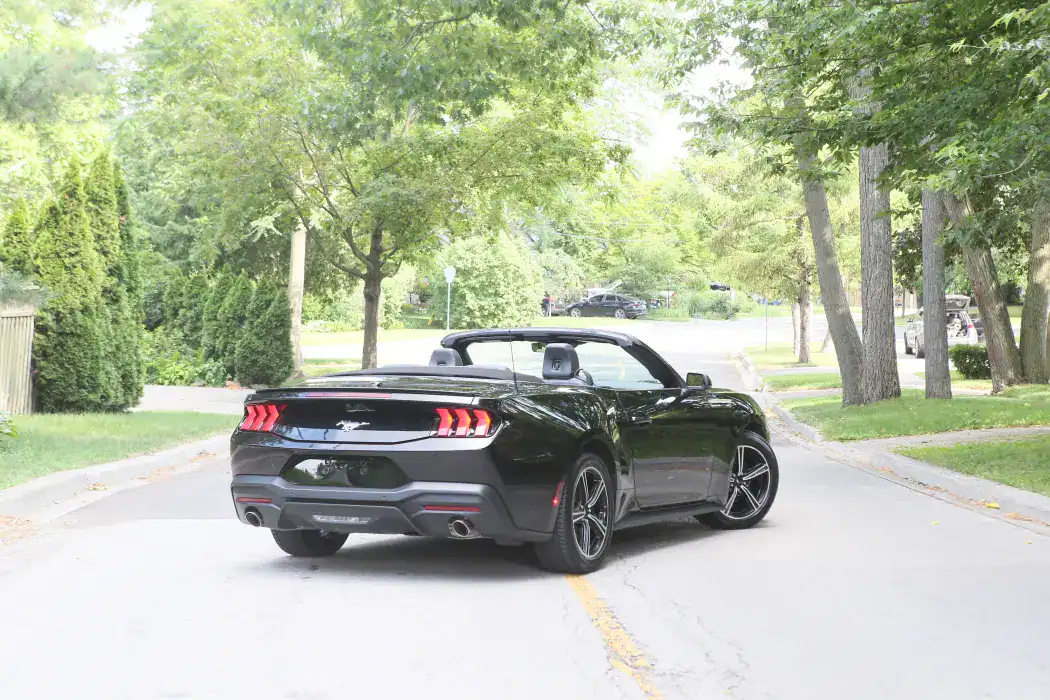
If you own a Ford Explorer ST and are planning for winter driving, you may be wondering whether you can switch from the factory 20-inch wheel setup to 19-inch winter tires and wheels.

This question comes up frequently because many drivers want:
- additional winter tire sidewall height
- improved snow and pothole protection
- lower winter wheel costs
- better winter tire availability
At first glance, the Ford Explorer ST often appears to have enough clearance behind the wheels to fit a smaller diameter setup. However, wheel clearance involves more than visual space alone. Brake dimensions, calliper shape, wheel offset, and tire sizing all determine whether a 19-inch winter package will fit properly.
This article explains whether 19-inch winter tires can work on the Ford Explorer ST, what affects compatibility, and what to check before downsizing from 20-inch wheels.
Will 19 Inch Tires Fit on my Ford Explorer ST?
In many cases, a 19-inch winter wheel setup may physically fit the Ford Explorer ST, but compatibility depends heavily on:
- brake calliper clearance
- wheel design
- wheel offset
- tire dimensions
- specific model year configuration
Even if there appears to be open space around the brakes, not every 19-inch wheel will clear the front brake assembly properly. That is why some 19-inch winter packages work successfully while others do not.
Why Drivers Consider Smaller Winter Wheels
Many Explorer ST owners switch to smaller winter wheels for practical winter-driving reasons.
A slightly smaller wheel diameter allows for:
- a taller tire sidewall
- additional impact cushioning
- improved pothole resistance
- better snow absorption characteristics
In Canadian winter conditions, taller sidewalls can help when driving through:
- frozen road ruts
- packed snow
- rough winter pavement
- slush-covered roads
Winter tire pricing and availability may also improve when using more common winter tire sizes.
Brake Clearance Is the Main Limiting Factor
The biggest factor when downsizing wheel diameter on the Explorer ST is brake clearance.
The Explorer ST uses larger brake components than lower Explorer trims, including:
- larger front brake rotors
- larger brake callipers
- performance-oriented braking hardware
Because of this, wheel barrel clearance becomes critical.
A wheel may technically measure 19 inches, but still fail to clear:
- caliper height
- caliper width
- spoke shape
- inner barrel contour
This is why visual inspection alone is not enough to confirm compatibility.
Wheel Diameter Alone Does Not Guarantee Fitment
Two different 19-inch wheels can fit very differently on the same Explorer ST.
Important factors include:
- wheel offset
- spoke design
- hub bore size
- inner barrel profile
- brake clearance shape
Some wheel manufacturers specifically design winter wheels with additional brake clearance for larger performance brake systems. Others may interfere with the front callipers even though the wheel diameter is technically correct.
Tire Size Must Maintain Proper Overall Diameter
When downsizing from 20-inch wheels to 19-inch winter tires, the overall tire diameter should remain close to the factory specification.
Maintaining a similar overall diameter helps preserve:
- speedometer accuracy
- ABS calibration
- traction control operation
- AWD system behaviour
- ground clearance
A proper winter setup generally uses:
- a smaller wheel
- a taller sidewall tire
Why Some Drivers Prefer Narrower Winter Tires
When switching to 19-inch winter tires, some owners also choose a slightly narrower tire width.
A narrower winter tire can help:
- cut through snow more effectively
- reduce hydroplaning
- improve slush evacuation
This does not necessarily mean extremely narrow tires are required, but winter-focused tire sizing sometimes differs from the wider factory performance setup used during warmer months.
Factory Brake Packages Matter
Not every Explorer ST configuration is identical.
Brake sizing and wheel clearance can vary depending on:
- model year
- package configuration
- regional equipment differences
- optional wheel setups
That means a 19-inch wheel confirmed to fit one Explorer ST may not automatically fit another without verifying brake clearance specifications. Checking exact fitment data remains important before purchasing winter wheels.
The Rear Wheels Usually Have More Clearance
On many performance SUVs, front brake clearance is the primary concern because the front brake assemblies are larger.
The rear brakes often provide:
- more open space
- smaller calliper dimensions
- fewer fitment limitations
As a result, if a 19-inch wheel does not fit, the issue is usually related to front calliper clearance rather than rear wheel space.
Steel Wheels vs Alloy Wheels
Some winter setups use steel wheels, while others use alloy wheels.
For the Explorer ST, alloy winter wheels are often preferred because:
- brake clearance tends to be better
- spoke design flexibility improves fitment
- weight is lower
- corrosion resistance may improve
Certain steel-wheel designs may not provide sufficient clearance for the ST brake package.
TPMS Compatibility Matters Too
If you plan to use a dedicated winter wheel setup, the Explorer ST Tire Pressure Monitoring System should also be considered.
Winter wheels may require:
- compatible TPMS sensors
- sensor relearn procedures
- correct sensor frequencies
Without compatible sensors, the vehicle may display tire pressure warnings during winter use.
What to Check Before Buying 19-Inch Winter Wheels
Before purchasing a winter setup for the Explorer ST, it helps to verify several important specifications.
1. Brake Clearance Confirmation
This is the most important factor.
The wheel must clear:
- front brake callipers
- rotor dimensions
- suspension components
Wheel manufacturers often provide brake-clearance fitment information.
2. Correct Bolt Pattern
The wheel must match the Explorer ST bolt pattern and hub specifications.
3. Proper Offset Range
Incorrect wheel offset can affect:
- suspension clearance
- steering geometry
- fender clearance
4. Load Rating
Winter wheels and tires must support the vehicle’s weight requirements.
This is especially important for SUVs like the Explorer ST.
5. Overall Tire Diameter
Maintaining a similar overall tire diameter helps preserve factory calibration for:
- AWD systems
- speedometer readings
- stability control
What to Expect From a 19-Inch Winter Setup
If properly fitted, a 19-inch winter setup may provide:
- additional sidewall cushioning
- improved winter-road compliance
- reduced harshness on rough pavement
- better protection against winter pothole impacts
Drivers may also notice:
- slightly different steering feel
- reduced wheel damage risk in winter conditions
- increased tire flexibility during cold-weather driving
However, the exact driving feel depends heavily on:
- tire construction
- wheel weight
- tire pressure
- winter tread design
What Is Usually Considered Normal?
For a properly fitted 19-inch winter package on the Explorer ST, these characteristics are generally normal:
- taller tire sidewalls
- slightly softer steering response
- increased snow-road compliance
- additional ride cushioning
However, rubbing, vibration, or brake interference are not normal and may indicate incorrect wheel specifications or insufficient clearance.
Put the Right Tires on Your Ford Explorer ST
Yes, a 19-inch winter tire setup may work on a Ford Explorer ST, but proper fitment depends on more than just having enough clearance around the brakes. Brake calliper clearance, wheel design, offset, and tire sizing all play important roles in determining compatibility.
Many drivers choose 19-inch winter wheels to gain additional sidewall height and improve durability on winter roads, especially in Canadian driving conditions. Before purchasing a winter package, verify brake clearance and maintain the correct overall tire diameter; these are the most important steps to ensure proper fitment and vehicle performance.
Disclaimer: Content contained in this post is for informational purposes only and may include features and options from US or internacional models. Please contact the dealership for more information or to confirm vehicle, feature availability.